Hair Oil For Dandruff: The Best Hair Oil For A Balanced Scalp
- Mar 15
- 4 min read
Updated: May 8

Hair Oil For Dandruff
Dandruff is one of the most common scalp concerns and is often linked to dryness, irritation, or an imbalance on the scalp. Using a hair oil for dandruff can help nourish the scalp, support its natural barrier, and reduce the dryness that contributes to visible flakes. While dandruff can have several causes, maintaining a healthy scalp environment is essential. Hydration, nourishment, and gentle care help the scalp function properly. When the scalp is balanced and supported, flakes are less likely to develop and hair can grow in a healthier environment. Hair oils are particularly helpful because they condition both the scalp and the hair fibre. Regular use can reduce dryness, improve comfort, and help keep the scalp nourished over time. When the scalp is hydrated and supported, it becomes easier to maintain healthier-looking hair overall.
Signs You May Be Experiencing Dandruff
Visible Flakes
Small white flakes appearing on the scalp or shoulders are one of the most common signs of dandruff. These flakes often become more noticeable when the scalp is dry or irritated.
Itchy Scalp
Persistent itching is another common indicator. When the scalp lacks moisture or becomes irritated, it may feel uncomfortable or sensitive.
Dry Patches
Dry areas between sections of hair may indicate the scalp needs additional hydration and nourishment.
Tightness After Washing
If the scalp feels tight or uncomfortable after washing, it may be lacking natural oils that help maintain balance.
Hair That Appears Dull
When the scalp is dry or irritated, hair may lose its natural shine and appear less healthy overall.
Causes Of Dandruff
Dry Scalp
When the scalp lacks sufficient moisture, the skin can begin to shed more quickly than usual. Cold weather, central heating, and harsh shampoos can all contribute to dryness.
Product Build-up
Excess styling products, dry shampoo, and residue from haircare products can accumulate on the scalp. This build-up may irritate the scalp and lead to flaking.
Scalp Sensitivity
Some people naturally have more reactive scalps that respond easily to environmental changes, hair products, or weather conditions.
Environmental Stress
Pollution, cold air, and seasonal changes can affect the scalp’s natural balance and contribute to dryness or irritation.
Inconsistent Scalp Care
When the scalp is not regularly nourished, dryness and imbalance can gradually develop over time.
Which Hair Oil Should I Use?
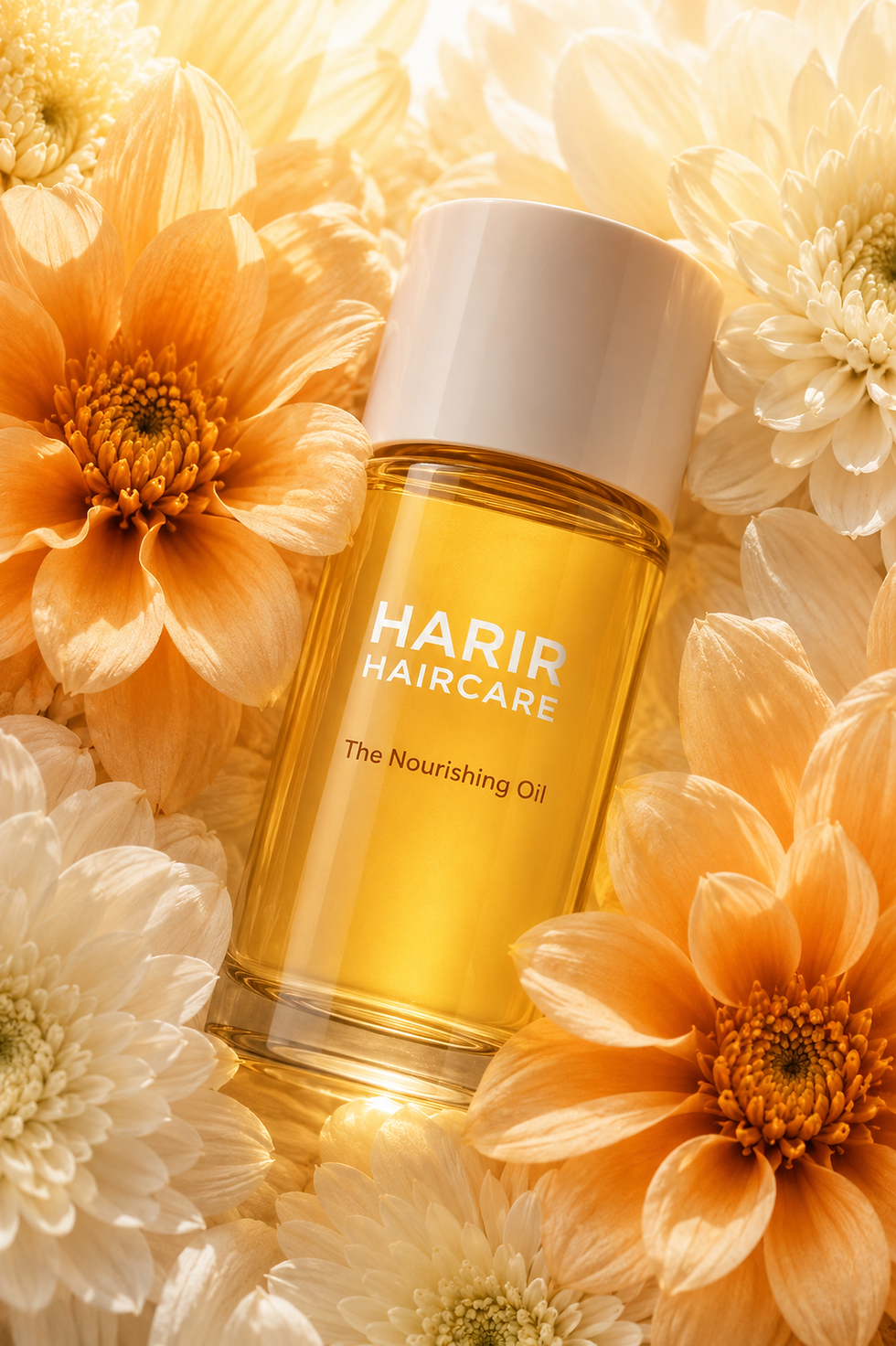
Harir Nourishing Oil is infused with natural oils that help nourish the scalp and restore moisture where it is needed most. The formula supports a balanced scalp environment while helping hair appear smoother, softer, and healthier. The lightweight texture absorbs easily and does not leave the hair feeling greasy. Instead, it delivers targeted nourishment that supports scalp comfort and overall hair health.
Enjoy 15% off with code HAIRCARE15
How Hair Oils Help With Dandruff
Restore Scalp Moisture
Hair oils help replenish hydration on the scalp, reducing dryness that can lead to visible flakes.
Support The Scalp Barrier
Nourishing oils help support the scalp’s natural protective barrier, allowing it to maintain balance more effectively.
Condition The Hair Fibre
In addition to nourishing the scalp, oils help soften and smooth the hair fibre, improving the overall appearance of the hair.
Protect From Environmental Stress
Hair oils can form a light protective layer that shields the scalp and hair from environmental stress such as pollution or cold air.
Key Oils That Support A Healthy Scalp
Avocado Oil
Avocado oil is rich in nourishing fatty acids that help hydrate and condition the scalp. By supporting moisture levels, it helps reduce dryness that can contribute to dandruff while also improving the softness of the hair fibre.
Castor Oil
Castor oil helps condition the scalp and hair fibre while supporting overall hair strength. Its nourishing properties help maintain moisture levels and improve scalp comfort.
Black Seed Oil
Black seed oil forms a light protective layer over the scalp and hair. This helps lock in moisture and protect the scalp from environmental stress that may contribute to dryness or irritation.
How To Apply Hair Oil For Dandruff
To support a scalp affected by dandruff, apply a small amount of oil directly to the scalp. This area is where dryness and flakes develop, and gently massaging the oil helps nourish the scalp while improving circulation and comfort. For an instant boost of nourishment, shine, protection, and smoothness, work the oil lightly through the scalp and lengths and style as usual. For a light treatment, leave on for at least 1 to 2 hours before washing. For a more intensive treatment, apply gradually in the days leading up to hair wash day or leave on overnight before washing.
Supporting A Healthy Scalp Over Time
Maintaining a balanced scalp requires consistent care and nourishment. Regularly hydrating the scalp helps prevent the dryness and irritation that can contribute to dandruff. Using Harir nourishing oil two to three times per week can help support scalp hydration and overall hair health. Gentle scalp massages during application can also improve circulation and help distribute the oil evenly. It is also helpful to maintain a gentle haircare routine. Avoiding overly harsh shampoos and limiting product build-up can help the scalp remain balanced and comfortable. Over time, consistent scalp care combined with nourishing oils can help reduce dryness, improve scalp comfort, and support healthier-looking hair. When the scalp is properly nourished and balanced, hair can grow in a stronger and healthier environment.